
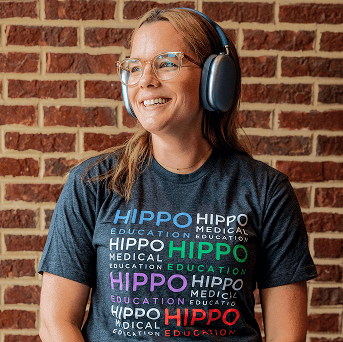
OSA 101: Understanding and Diagnosing Obstructive Sleep Apnea in Primary Care



On iOS App Store

300,000+
Subscribers

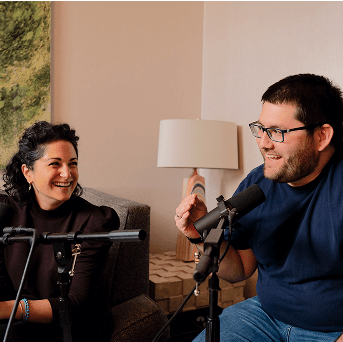
Listen to this practice-changing conversation on iron deficiency between internists Dr. Tom Robertson and Dr. Neda Frayha.
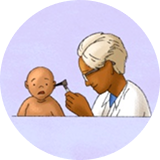
Listen as Dr. Rana El Feghaly shares the latest insights into treatment of acute otitis media — and why antibiotics aren't always the answer

Listen to Dr. Tiffany Proffitt and Nurse Practitioner Katy Vogelaar talk about the correct way to manage hives in the Urgent Care.

Follow these consensus guidelines and order contrasted CTs with confidence - even in patients with AKI or CKD.

Antibiotic stewardship matters—especially in urgent care. Emily Heil explains why we should all be paying attention.





You don’t need another lecture—you need practical learning that fits your life. Hippo delivers engaging content from clinicians who’ve been in your shoes, helping you build confidence and sharpen your skills without wasting your time.
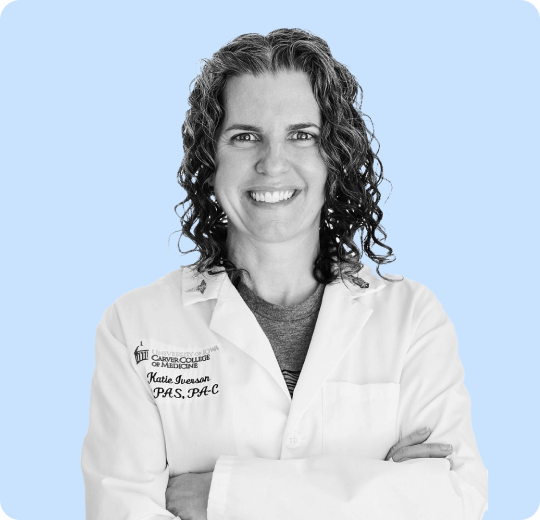

Led by practicing clinicians, our courses go beyond checking the CME box—they challenge, inspire, and bring practical, high-impact learning that you can apply in the clinic, on the shift, and in the moment.
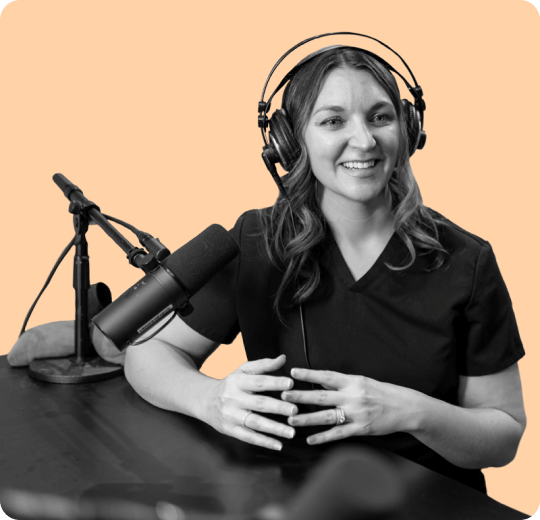

From on-the-go podcasts to bite-sized video courses, we make it easy to stay current, stay sharp, and keep learning—on your schedule, not ours.
Hippo Education is accredited with commendation by the ACCME, recognizing that we meet all core requirements and uphold the highest standards in CME.