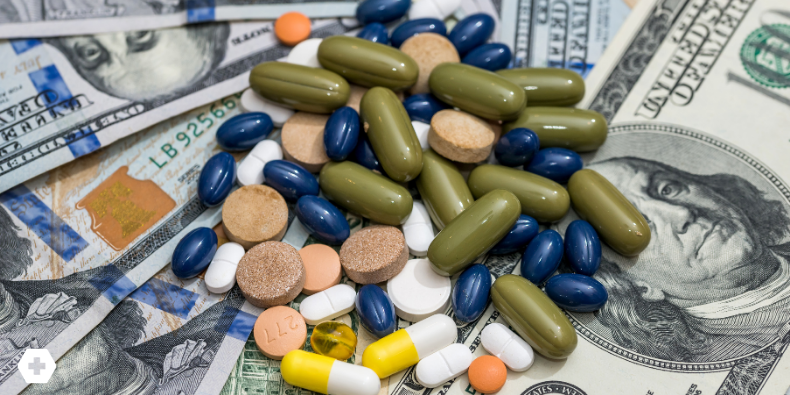
Medication Affordability

A medication is only as effective as the patient's ability to afford it. When I was first diagnosed with psoriatic arthritis, I was started on a biologic by my dermatologist. When the specialty pharmacy called me to schedule my delivery, they also informed me that I had a copay of over $1,000 and asked whether I had spoken with my doctor about copay assistance or a patient assistance program. Through a series of frustrating events over the next several weeks, I finally got my medication covered through a combination of copay assistance, my health insurance, and some sort of gap coverage that I still don’t totally understand.
When I had my follow-up appointment, I mentioned to my doctor how high the out-of-pocket cost was, and how difficult the process was to get the expenses covered. She was genuinely surprised by my story, and confessed that she had no idea that the medication carried such a high copay. That's not a knock on her. Drug pricing is opaque by design, and most of us have no idea what a prescription costs at the counter until a patient tells us.
A few months later, the biologic had really started to do its thing. My joint pain was gone, my symptoms vastly improved, and I realized, despite the frustrating process I had to go through, how lucky I was to have the medications available to me because of my insurance.
Conversely, I think we have all seen the other side of the coin working in the ED. Asthmatics that can’t afford their albuterol inhaler, the patient living in a shelter that couldn’t afford their antibiotic. The uninsured patient with the DVT that has to take warfarin instead of a DOAC. The patient with Medicaid whose formulary doesn't cover what you'd reach for first. The Medicare patient stretching a 30-day supply by skipping doses.
Working in the ED, you likely encounter these situations daily. And though we don’t think twice about it, there are lots of things that affect the out-of-pocket cost of every prescription that we write. Small changes that can have a big impact on whether or not our patients are able to get their medications filled. These small changes might be the difference between medication adherence and bounce backs, between cure and complication. So let's look at some of the ways we can make small changes for a big impact.
*Disclaimer* - All of the prices listed below are a range of the “cash” retail prescription drug prices for medications, taking into account potential savings through places like GoodRX or Cost Plus Drug Company.
Formulation matters:
Liquid carafate is great; easy to dose, easy to take, super effective. The cash price, however, ranges from $50 to $200 for a 414ml bottle. The generic tablets, on the other hand, range from about $25 to $30 for a 120-count. That is a substantial difference. Now, while the liquid formulation is much easier to stomach (pun intended) and overall is more effective, that's a hit to the wallet most patients can’t handle.
The solution: Write for the cheaper tablet, but include the following line in the instructions box of your prescription: “Crush into a fine powder and mix with a small amount of liquid.” Now save this to your favorites before you sign the order, and you are good to go every time you need to write for carafate.
Another example is doxylamine succinate and pyridoxine hydrochloride, the gold standard go-to medication for nausea during pregnancy. At best, your uninsured patient is looking at a cash price range of $45 to $120, depending on any available manufacturer coupons and pharmacy discount cards.
Now, doxylamine is an antihistamine, and pyridoxine is vitamin B6. These are both available OTC separately, at a cost of about $15 to $$25 for the pair. Same ingredients, but at a vastly different price point.
4% lidocaine patches are available over the counter, and perform similarly to their prescription-strength 5% lidocaine counterparts. The difference, however, is that 4% OTC lidocaine patches are available for $10 to $40, depending on the brand and number of patches per box. 5% prescription strength lidocaine patches can range from $40 to $70, and even for patients with commercial insurance, it's common for these patches to not be covered.
Helping keep patients compliant
While the fight against inappropriate use of antibiotics rages on, an important caveat that doesn’t get enough attention is the price. While this section could easily be an entire chapter, let's try to condense things down to the most high-yield pearls that you need to think about when writing antibiotic prescriptions:
The right drug for the right bug:
-
Amoxicillin 500 mg - $8 to $12 for 21 capsules
-
Amox/clav 875/125 - $18 to $24 for 20 tablets
While there are times that you do actually need the clavulanate, good old-fashioned generic amoxicillin is still the first-line treatment for several common infectious conditions. And while the price difference may not seem like much, I’ve seen more than one patient bounce back from a shelter because they couldn’t afford the $20 cash price for amox/clav, when an $8 amoxicillin prescription would have gotten the job done just fine.
Duration matters:
-
Many common infections require only 5-7 days of treatment.
-
Shorter courses = less out-of-pocket cost and fewer unwanted side effects.
See no evil, hear no evil:
-
Because they are sterile, eye drops can be used in the ear.
-
Ear drops should NEVER be used in the eyes.
-
Ciprofloxacin/Dexamethasone ear drops cost:
-
Average $262 on GoodRX
-
Ciprofloxacin eye drops + Prednisolone eye drops cost:
-
Average $35 total cost for BOTH
Set it and forget it
If the thought of combing through medication discount websites every time you write a prescription gives you anxiety, I see you and I hear you. It’s another task that falls to you even though it shouldn’t. It’s another societal problem that falls on your lap to try and fix. But in this situation, take pride in the fact that your time spent making sure patients have the knowledge and resources they need is directly impacting their care.
For many of these situations, chances are you are going to encounter it again, so the first time you write one of these prescriptions, go ahead and make a folder of favorites specifically for uninsured and underinsured patients. This way you have the tips, tricks, and language saved to auto-populate with a single click.
This is work worth doing, and knowledge worth sharing. We are the safety net for our community, and the time you spend making sure your patient can afford their meds might just be the tool they need to keep from falling off the next tightrope they find themselves walking. Your efforts today are paying it forward for your colleague tomorrow. If you want to dig deeper into medication affordability, check out this clip below from ERcast: Clinical Perspectives with Geoff Comp and ED pharmacist Sarah DiVello.

Practice-Changing Education
Experience education that goes beyond theory. Explore Hippo Education’s offerings below.

Adult EM Bootcamp
From textbook to trauma bay: 300+ video lectures and 150+ procedure walk-throughs for the ED.