A problem you see in every setting
Whether you are working in primary care, urgent care, or an emergency department, chances are you regularly prescribe antibiotics for a range of clinical problems.
I’d also wager you see the downstream effects when patients stop taking them. While most antibiotics are large, nauseating, and generally leave a very unpleasant taste, one of the main reasons patients stop taking them as directed is the very significant GI side effects.
Years ago, I was on a road trip with my old college buddies, headed to our yearly winter snowboarding trip. I’d recently been put on amoxicillin/clavulanate for a mild infection, mostly out of caution as I was headed out on a cross-country trip in a few days. Not long into the trip, we had to make an unplanned stop at a rather seedy gas station when I was struck with a sudden cramping pain, and all of the GI fun that came with it. At this point in my career, I had been an RN long enough that it should not have taken me four gas stations to finally realize what was causing my detours — but the truth finally came to me as I was chugging a bottle of pink bismuth subsalicylate while apologizing to my buddies for our now significant delay.
I decided to roll the dice on stopping the antibiotics, since being on top of a mountain in full snow gear is not compatible with emergency trips to the bathroom. It's an experience I still remember vividly, and one of the reasons I always instruct my patients to do one very important thing whenever I write them an antibiotic: take some form of probiotic every single day.
Maximum benefit, minimal effort
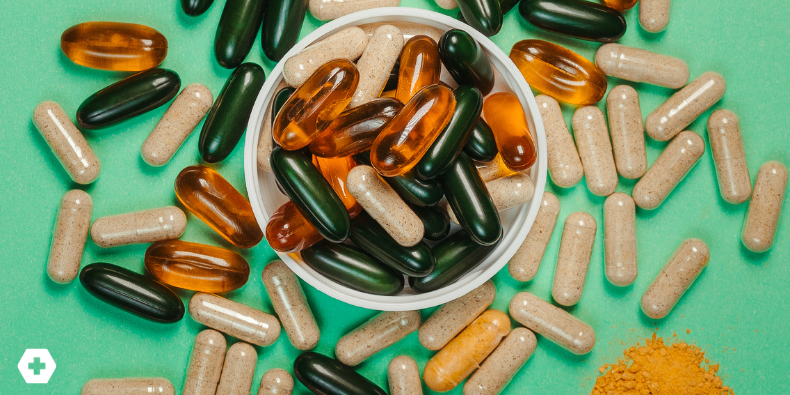
The data surrounding the use of probiotics in the prevention of antibiotic-associated diarrhea (AAD) is pretty phenomenal. One meta-analysis looked at 42 studies (11,305 patients) and found that the use of probiotics co-administered with antibiotics reduced the risk of AAD in adults by 37%. Another important finding: the benefit was highest in patients at moderate-to-high baseline risk of diarrhea.
While less robust, there is also evidence that the use of probiotics is associated with a decreased risk of developing C. difficile, to the extent that the AGA published a conditional recommendation acknowledging the likely benefit. Another systematic review found that administering probiotics close to the first dose of antibiotics resulted in a >50% reduction in the risk of C. diff infections in hospitalized patients. Given that there were no reported adverse events or effects among the patients given probiotics, this is some compelling evidence that a very simple intervention can make a huge difference.
Other factors to consider
When looking for probiotics to recommend to your patients, there are a few things to consider:
- Probiotic strains with the strongest evidence for benefit:
- Saccharomyces boulardii
- Lactobacillus rhamnosus GG
- 2-strain combination (L. acidophilus CL1285 + L. casei LBC80R)
- 4-strain combination (L. acidophilus, L. bulgaricus, B. bifidum, and S. thermophilus)
- Cost considerations:
- Saccharomyces boulardii: Approximately $25–35 for a 30-day supply if buying name brands.
- Lactobacillus rhamnosus: Approximately $15–25 for a 30-day supply (Generally the most affordable name-brand option).
- Multi-strain RX-grade products can range from $30-50 for a 30-day supply, and are often not covered by insurance.
- Generic Lactobacillus blends often range from $8-15 for a 30-day supply, though quality may be less reliable.
- Delivery route and bioavailability:
- Enteric-coated capsules:
- Provide the best protection against gastric acid degradation.
- Non-enteric capsules and powders:
- May still deliver viable organisms, particularly for hardier strains.
- Lactobacillus species can survive gastric acidity across multiple delivery vehicles, including non-encapsulated pills, lyophilized powder, yogurt, and kefir.
- Yogurt and fermented foods (kefir, kimchi, sauerkraut)
- Provide probiotics in a food matrix that may offer some buffering against stomach acid.
- CFU counts are generally lower and less standardized than supplement forms, making it difficult to ensure a therapeutic dose.
- Vaginal probiotic suppositories:
- Deliver organisms directly to the target site and bypass the GI tract entirely.
- For patients whose primary concern is preventing yeast infections, this route may offer more direct colonization.
- Oral Lactobacillus strains have also been shown to transfer to the vaginal environment.
Early use for maximum benefits
Ideally, patients should start taking their probiotic as early as possible. For maximum benefit, they should be started within 48 hours of the first antibiotic dose. To simplify things, consider advising your patient to take their probiotic about 2 hours before their antibiotic is due to avoid potential drug interactions. Patients should continue taking their probiotic for at least 1 week after completing their antibiotics to aid gut microbiome recovery.
One important potential exclusion criterion: Patients who are severely immunocompromised should use probiotics with extreme caution, as rare cases of S. boulardii fungemia or Lactobacillus bacteremia have been reported.
Worth the conversation
Probiotics are safe, effective, and fairly inexpensive. They may also be the difference between patients making a full recovery versus bouncing back worse off than before due to non-compliance, as well as potentially preventing the development of C. diff infections.
So the next time you write an antibiotic, remember to talk with your patient about the importance of probiotics.
I try to write these blog posts about topics that go along with our collective experiences as nurse practitioners, the common issues we all face regardless of the clinical location. I welcome your feedback, stories, and suggestions. Shoot me an email at NP@hippoeducation.com, I would love to hear from you!