Historically, hypertension was diagnosed with two or more elevated blood pressure readings on separate occasions. However, as of 2025, The American College of Cardiology now recommends home blood pressure monitoring for any patient that has suspected hypertension or those currently taking hypertension medications.
Home blood pressure monitoring provides a more robust data set than isolated in-office readings, improving accuracy of both diagnosis and treatment monitoring. It’s important to note that home blood pressure monitoring is different from ambulatory blood pressure monitoring, which involves wearing a fully automated device over a period of 24 hours.
Choosing an Accurate Blood Pressure Monitoring Cuff
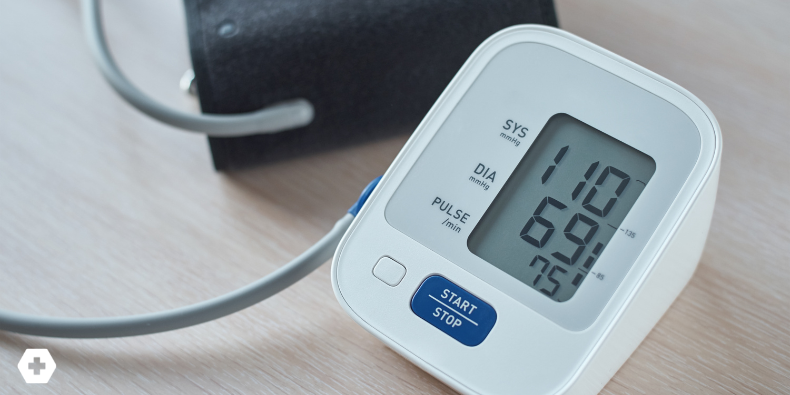
Counseling patients on monitoring blood pressure at home is important before you send them out to purchase a cuff. Validatebp.org is a great website that recommends blood pressure cuffs based on accuracy and cost. An automatic, upper arm cuff-style monitor is the most accurate if the patient is able to use one. Wrist monitors are less accurate, and smart watches that claim to check blood pressure are notoriously unreliable. Patients should measure their arm and confirm that the size of the cuff is appropriate.
Best Practices for Patient Education and Technique
When checking blood pressure at home, there are some key education points to convey:
-
Caffeine, smoking, and exercise should be avoided within the 30 minutes before measurement.
-
The patient should sit with their feet flat on the ground and support the arm at heart level (such as on a kitchen table).
-
It’s recommended to sit quietly for 5 minutes prior to measuring, although this can be hard to do in the middle of a busy day!
-
When checking the blood pressure, the patient should relax — no looking at screens, talking, or other distractions.
-
They should take two readings, one minute apart, twice daily: in the morning after emptying their bladder and before taking medication or eating, and at bedtime before sleep. The timing is the same regardless of when they take their antihypertensives.
Patients can keep track of their blood pressure in a notebook or on their mobile device. Many blood pressure cuffs have corresponding applications that track and give feedback about the numbers.
Clinical Scenarios for Implementation
Home blood pressure monitoring can be tedious and difficult to fit into a routine, so I typically recommend it in the following scenarios:
-
We are unsure if the patient has true hypertension or just elevated office readings. 1-2 weeks of home numbers will typically rule hypertension in or out.
-
We have started or adjusted antihypertensives and want to make sure they are controlling blood pressure. In this case, I ask the patient to track for two weeks and then send me the log through the patient portal.
-
We notice some low blood pressure readings in the clinic, or the patient is complaining of orthostatic signs (lightheadedness, dizzy, especially when standing from a seated position). Usually, one week of monitoring is sufficient to determine if we need to reduce or discontinue medication.
The In-Office Demonstration
Lastly, I find it helpful to demonstrate the technique in the office. At the end of the visit, after the patient has been seated for at least five minutes, I will perform a manual blood pressure reading.
During this time, I will make sure they are sitting upright with their feet flat on the floor and their arm on the exam table. I will cue them to take deep breaths and relax while we check their blood pressure.
Before leaving the office, I give them patient education instructions on home blood pressure monitoring so they have the information easily accessible. If I am doubtful that they will be compliant with following up through the portal, I set a reminder for myself to reach out to them in two weeks or have them schedule a follow-up appointment within 2-4 weeks.




 Related Blog Posts