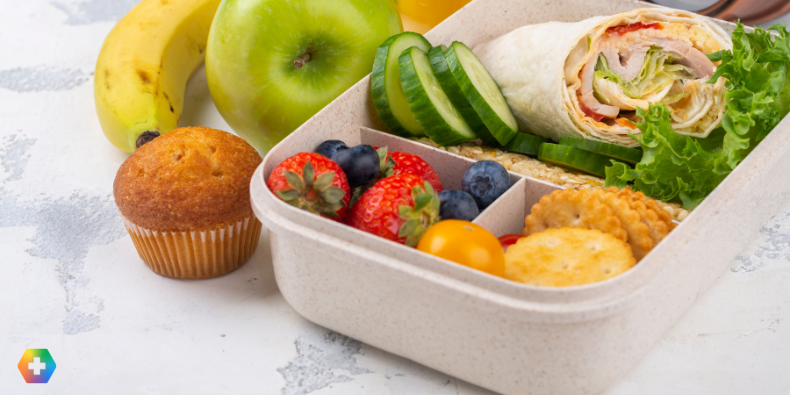
The Subtle Art of Eating Lunch

We are all guilty of it, and for most of us, it probably happened during our last shift. A protein bar while answering emails, a quick donut from the nurses' lounge in between patients. Eating your salad from the cafeteria while catching up on notes during lunch. The first sip of your breakfast meal replacement (aka energy drink/coffee).
Hitting the ground running, tired, and hungry
In healthcare, the day begins early, and so do the tasks. The inbox starts to fill, the portal messages need answering, and… have you completed your monthly/quarterly/yearly online training modules that are overdue? There is only so much time in the day, and so many tasks that can be completed. For many of us, the first and easiest thing to cut from our time budget is also the most important: ourselves. Meals are skipped, and breaks become a fantasy. Even worse, the daily grind often follows us home, unsigned charts eroding away at the time we should be spending with our friends and family.
Wellness initiatives, bigfoot, and other stories of fiction
“Wellness” has become a buzzword in healthcare, especially following the COVID-19 pandemic. For many of us, the hard work that we put in during the pandemic had a very unfortunate side effect: hospital administrators realized we could do more work with fewer resources. And in the name of budgets, understaffing and overcrowding became the new normal.
With healthcare workers being asked to do more with less, “nursing wellness initiatives” became the new hot topic. We have all seen the satirical posts of nurses drowning in their workload being thrown a slice of pizza instead of a life raft. Wellness emails promoting meditation and mindfulness are squeezed in between quality reminders about sepsis bundles, EMR updates, and warnings about upcoming regulatory visits.
If this is hitting close to home, you are not alone. So what are some real, actionable things we can do in our daily lives to destress and refocus while on shift?
Prep for success
You have probably heard this before, but the key to a good day starts the night before. We have all traded sleep for late-night binging and paid the price the next day. This can be especially hard for those of us who work rotating shifts. An article published in JAMA in March of 2025 noted that screen use before bed was associated with a 33% higher prevalence of poor sleep quality, among other negative effects. So my first piece of usable advice is to stop using your phone at least 1 hour prior to bedtime. Instead, spend that 1 hour meal-prepping for your next day, reading an actual book, walking your dog, or just sleeping an extra hour.
As you are probably guessing, the next step is to wake up early. This doesn’t have to be anything crazy like a 0400 pre-dawn run (unless that is your thing). For most of us, getting up 30 minutes earlier than normal is plenty of time to set up the day for success. Even if that just means having the time to make a real breakfast, and avoid the drive-thru donut dash while barreling towards the parking deck.
You deserve to eat lunch
As a young ER/trauma nurse, I thought not stopping for meals and not taking breaks was a badge of honor. I embraced what I thought was a hardcore culture, but in reality, I was just really young and really dumb. The unnamed chain-store burrito was generally my 1-handed mobile meal of choice, and the effects on my health and bank account did not go unnoticed.
Now, as a much older and marginally less-dumb NP, I have finally come to realize the importance of balance. Even small breaks help us rest and recover, and are beneficial to the care we give our patients. Decision fatigue in healthcare is a very real and well-documented phenomenon, like this article published in JAMA that noted increased prescribing of inappropriate antibiotics near the end of a clinician's shift.
If you are reading this and thinking that you don’t have time to take a break, I want you to know that you do. There is not a single person in your hospital/clinic who would cause the entire system to collapse if they took a lunch break. Furthermore, I can guarantee that the CEO of your healthcare system eats lunch every day, and so should you.
If the thought of taking a “full” 30-minute lunch scares you, then start small with 15 minutes. You deserve 15 minutes to yourself. Consider the following to set yourself up for maximum success:
-
Step away from your unit/clinic, and go eat somewhere else. Eating lunch at your computer while dictating does not count as a break.
-
Don’t ask for permission, but rather let your attending know you are stepping away for 15 minutes to each lunch. Then pause for a moment to gather yourself when their reaction is not one of negativity, but likely a mixture of nonchalance and maybe even support.
-
Make sure to let the nurses know you are stepping away, and give them a way to contact you for emergencies only. Orders for Tylenol can wait till later.
-
If at all possible, find somewhere outdoors with natural light to eat your lunch. We often spend long days with literally no exposure to natural light during our shifts. Even if you are working nights, the amount of light and noise pollution can wear you down; stepping outside into the quiet night can be a welcome relief from bright lights and endless equipment alarms (don’t get me started on night shift fire alarm testing).
-
Leave your work behind. Don’t answer emails or portal messages on your phone. Don’t respond to text messages from your boss. Use this time, however, to recharge your batteries. This is the perfect time to respond to that text from your friend or call your parents for a quick catch-up.
Nursing wellness priorities are dynamic and individual
As we end the year, take time to think about what your personal wellness priorities are. While some sort of break is essential to wellness, you may be someone who prefers to take 1 or 2 quick 5-minute breaks while on shift, and work through lunch because going home with fewer charts to interfere with your evening is a priority for you. If you have taken the time to develop self-awareness of what your priorities are, then lean into that lane and figure out how to optimize your time to best fit your life.
But also realize that life is fluid, and our wellness priorities are fungible. There may be days when you need to hustle because you have evening plans that don’t involve sitting in front of an EMR. There may be days when you do not sleep well and need a long lunch to recharge. We all know the pre-flight instructions to put on our own oxygen masks before attempting to help others.
The need for wellness is not a weakness, and a culture that hides suffering behind a mask of “endurance” should not be celebrated.
New year = new priorities
Spend this month reflecting on what your professional and personal goals will be in 2026, and then make your personal wellness a priority. I would be honored if you would join me in 2026 for a deep dive into the biggest issues facing NP’s today, and what our goals for our profession in the next year should look like.
If you have any thoughts, questions, or rants about what our goals and priorities as NP’s should be in 2026, email me at np@hippoeducation.com, I would LOVE to hear about the things that you do to promote sanity and wellness while on shift.

Practice-Changing Education
Experience education that goes beyond theory. Explore Hippo Education’s offerings below.


