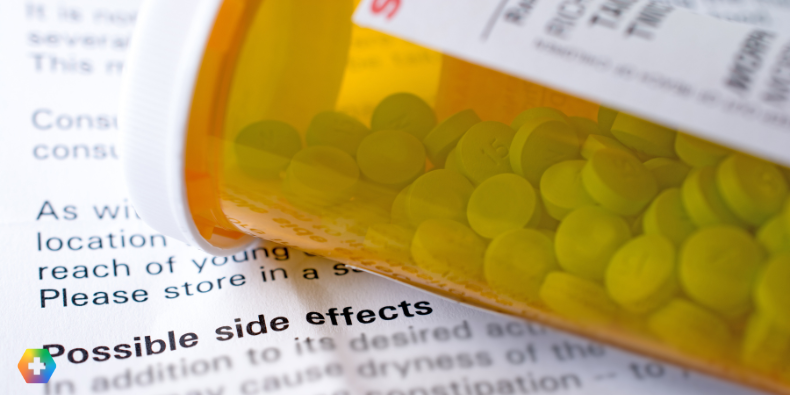
Short courses of oral steroids are part of our clinical toolkit, whether it's for COPD, asthma, back pain, or a rash that just won't quit. But even a quick burst can pack a punch. If your patient comes back with high blood sugars or mood changes after a Medrol Dosepak, you’re not alone.
Short-Term Steroid Side Effects
Here’s a quick review of clinically relevant side effects you might see after short-term corticosteroid use (<30 days), plus tips to reduce risk and counsel effectively.
-
Hyperglycemia: Yes, even in patients without diabetes. Steroids increase hepatic gluconeogenesis and impair glucose uptake, leading to insulin resistance. One meta-analysis found 32% of non-diabetics developed hyperglycemia during steroid use, and 19% were newly diagnosed with diabetes. The risk scales with dose — 40 mg of prednisone daily puts patients at 10x higher risk than lower doses. Monitor closely, especially in older adults, those with a BMI >30, or a family history of diabetes.
-
Neuropsychiatric effects: Mood swings, insomnia, anxiety, and even frank psychosis can occur. And it doesn’t take much: symptoms have been reported at doses as low as 7.5 mg/day. Higher doses (>20 mg) are more strongly associated with aggression, mania, and suicidal ideation. Ask about psychiatric history and warn patients (and their families) about potential changes.
-
Sleep disruption: Cortisol spikes and melatonin suppression can interfere with sleep cycles. Advise patients to take steroids in the morning and consider melatonin for those with sleep issues.
-
Infection risk: Short courses of high-dose steroids (≥40 mg prednisone) can impair neutrophil and T-cell function. One large study linked even brief exposure to corticosteroids increased risk for sepsis, especially in patients treated for respiratory infections. Be cautious in immunocompromised patients.
-
Fractures and bone loss: Bone resorption increases with steroids. One study found that fracture risk rose within 30 days of short-course steroid use. Be especially cautious in older adults, those with osteoporosis, or those healing from fractures.
-
Thromboembolism: Data is observational, but large cohorts show a bump in VTE risk post-steroid exposure, especially in post-op patients. Consider this when assessing overall clot risk.
-
Adrenal suppression: This is mostly a concern with longer courses, but repeated bursts or prolonged use can suppress the HPA axis. If you’re writing a second course, think about tapering.
Short doesn't mean side-effect free. Use the lowest effective dose and the shortest duration, and warn patients about the most common or serious side effects, especially hyperglycemia, mood changes, and insomnia. Practicing steroid stewardship isn't just for long-term users. Even our "quick fixes" deserve thoughtful prescribing.